For a while, web games felt like a relic. Flash was discontinued, app stores took over, and “play a game online without downloading anything” started to sound almost old-fashioned.
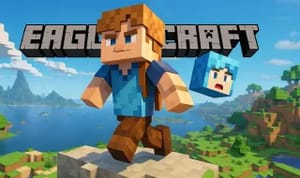
And yet here we are in 2026, and web games are everywhere again. New .io games show up constantly. Old genres like horde shooters and snake-style multiplayer keep getting reinvented. Entire trends, like blocky Minecraft-style browser clones and survival games built around collectible meme creatures, spread through TikTok before most players even know the genre by name.
So what actually changed? It is not nostalgia. A handful of real, practical shifts pushed web gaming back into the spotlight.
The Technology Finally Caught Up
The biggest reason browser games feel different now is simple: browsers got dramatically more powerful.
Modern web technology, including WebGL and WebAssembly, lets browser games render 3D graphics, run physics calculations, and handle real-time multiplayer at a level that used to require an installed application.
That technical leap matters because it removed the biggest excuse to avoid browser games in the first place. A decade ago, “browser game” usually meant something simple and a little clunky. Today, it can mean a fast 3D shooter or a detailed survival game that looks and feels close to something you would expect to download.
No Downloads Means No Friction
Attention spans have not gotten longer, and patience for waiting around has not improved either.
Browser games skip the entire download-and-install process, which matters more than it sounds like it should. There is no waiting for a progress bar, no clearing storage space, and no update prompt interrupting a five-minute break.
That instant access fits naturally into how people actually want to play in short bursts:
- During a school or work break
- While waiting for something else to load
- Late at night without committing to a long session
- On a shared or borrowed device
For a quick session, removing every barrier between “I’m bored” and “I’m playing” is a real advantage.
Chromebooks Changed Who Is Playing
Chromebooks are everywhere in schools now, and that has quietly reshaped browser gaming’s audience.
A Chromebook is built around the browser. It does not run traditional downloaded PC games, and app installs are often restricted entirely. For a huge number of students, browser games are not just convenient, they are one of the only kinds of games actually available on the device in front of them.
That has helped fuel entire categories, like unblocked games designed specifically to work on school networks and Chromebook-friendly titles built to run smoothly on lower-powered hardware.
Cross-Platform by Default
A browser game built once tends to work everywhere, desktop, laptop, tablet, and phone, without separate versions for each platform.
That is a big deal for players, who can start a match on one device and pick up a similar experience on another without buying anything twice. It also lowers the barrier for developers, who can reach players across every device type from a single build instead of maintaining separate app store releases.
Multiplayer Finally Works Properly in a Browser
Real-time multiplayer used to be one of the hardest things to pull off in a browser. That is no longer true.
The entire .io genre exists because browsers can now handle instant matchmaking, live player positions, and fast-paced combat without lag ruining the experience. Games like fast arena shooters and growth-based survival games depend entirely on this kind of real-time performance, and it simply was not reliable enough in earlier eras of web gaming.
Social Discovery Through Short-Form Video
A huge share of browser game discovery now happens through short clips rather than search.
A chaotic moment from a multiplayer match, a strange new io game built around a meme trend, or a satisfying clip from a horde shooter spreads on platforms like TikTok far faster than any traditional advertising could. That kind of organic virality has turned obscure niche games into massive hits almost overnight, and browser games are perfectly suited to it, since anyone watching a clip can click a link and be playing the exact same game within seconds.
Free-to-Play Economics Make Sense Again
Browser games typically skip app store fees entirely, since there is no app store involved.
That changes the economics for developers, who can support a free game through advertising or optional purchases without giving up a percentage of every transaction to a platform holder. For players, it usually means more free games, fewer forced paywalls, and faster updates, since releasing a new build does not require an app store review process.
Why OtterGames Fits This Moment
OtterGames is built entirely around the advantages driving this comeback.
That means:
- Instant play with no downloads or installs
- Smooth performance across desktop, tablet, and Chromebook
- A constantly growing library across every major genre
- Fast-loading games that work the moment you click
Whether the trend is fast arena shooters, survival games, or the next genre nobody has named yet, browser gaming is built to adapt quickly, and that is exactly why it keeps coming back stronger.
Final Thoughts
Browser games never really went away. They just waited for the technology, the devices, and the discovery channels to catch up to what the format could actually do.
Now that WebGL-powered graphics, Chromebooks in every classroom, and TikTok-driven discovery have all lined up at once, it makes sense that browser gaming feels like it is everywhere again in 2026.
You can play the latest browser games instantly on OtterGames.org.